What a Marketing Automation Company Actually Does (and When You Need One)
A marketing automation company builds and runs the software systems that handle your repetitive marketing work: email sequences, lead scoring, CRM workflows, and reporting. The best ones connect that machinery to a growth strategy. The rest just install tools, hand you a login, and send an invoice.
That distinction is the whole game. Most founders who buy automation are not short of software. They are short of someone senior who knows what the software is supposed to achieve.
Key Takeaways
- A marketing automation company sets up the technical plumbing behind your marketing: workflows, lead nurture, segmentation, and reporting.
- Software without strategy is the most common and most expensive mistake. You pay for tools that nobody steers.
- UK pricing typically runs £3,000 to £15,000 for setup and £1,500 to £6,000 monthly, plus platform licences.
- Automation pays off when the underlying offer, targeting, and follow-up are already sound. It magnifies what exists, good or bad.
- If your marketing spend underperforms and no one owns the plan, you need leadership before you need more tooling.
- A fractional CMO gives you that senior direction without a full-time hire, then makes the automation earn its keep.
What a Marketing Automation Company Does Day to Day
Strip away the sales language and the work is fairly concrete. A marketing automation company maps your buyer’s path, then builds software flows that move people along it without a human doing it by hand every time.
In practice that means a few things:
- Connecting your CRM, website forms, and email platform so a lead never falls through a crack
- Writing and building nurture sequences that follow up automatically when someone downloads, books, or goes quiet
- Scoring leads so your sales team calls the warm ones first
- Setting up dashboards so you can see what actually drives revenue rather than what looks busy
The technical build is the easy part. Plenty of firms can wire up HubSpot or GoHighLevel in a fortnight. What separates a useful partner from an expensive one is whether they ask why before they ask which platform.
Why Most Automation Spend Underperforms
Here is the uncomfortable bit. Automation amplifies whatever you already have. If your offer is weak, automation sends weak offers faster. If your targeting is fuzzy, you nurture the wrong people at scale.
Research from Forrester has long shown that a large share of marketing-qualified leads never convert, often because the handoff and follow-up logic were never properly designed. The software was not the problem. The thinking behind it was missing.
So a company spends £10,000 on a slick setup, watches the numbers stay flat, and concludes that automation does not work. It worked perfectly. It automated a process that was broken to begin with. Never automate a broken process. Fix the strategy, then let the system carry it.
What It Costs in the UK
Pricing varies, and any firm quoting a single flat number is guessing. Still, here is a realistic range for the UK market.
| Service | Typical UK Cost | What You Get |
|—|—|—|
| One-off setup | £3,000, £15,000 | Platform config, core workflows, CRM integration |
| Monthly retainer | £1,500, £6,000 | Ongoing campaigns, optimisation, reporting |
| Platform licence | £50, £3,000/mo | HubSpot, ActiveCampaign, GoHighLevel and similar |
| Strategy and leadership | £2,000, £8,000/mo | Direction, planning, accountability for results |
Notice the last row. It is the one most automation companies do not offer, and it is usually the one that decides whether the rest of the spend returns anything.
Marketing Automation Company vs Agency vs Fractional CMO
These three get muddled constantly, and the wrong choice wastes a year.
- A marketing automation company builds the systems. Best when you already know your plan and need it executed in software.
- An agency runs campaigns and creative. Best when you need hands to do the doing across channels.
- A fractional CMO owns the strategy and holds the whole thing accountable. Best when your marketing lacks senior direction and your spend has no clear logic behind it.
If you are unsure which you need, that uncertainty is itself the answer. A founder who cannot tell whether their problem is tooling, execution, or strategy almost always has a strategy gap. That is the expensive one to ignore.
When to Buy Automation, and When to Buy Leadership First
Buy automation when:
- You have a clear, tested offer that converts
- You know your ideal customer and where they come from
- Your follow-up is sound but done manually and it does not scale
Buy leadership first when:
- Your marketing spend produces results you cannot explain
- You have channels and tools but no growth plan tying them together
- The gap between you as the founder and your marketing team keeps widening
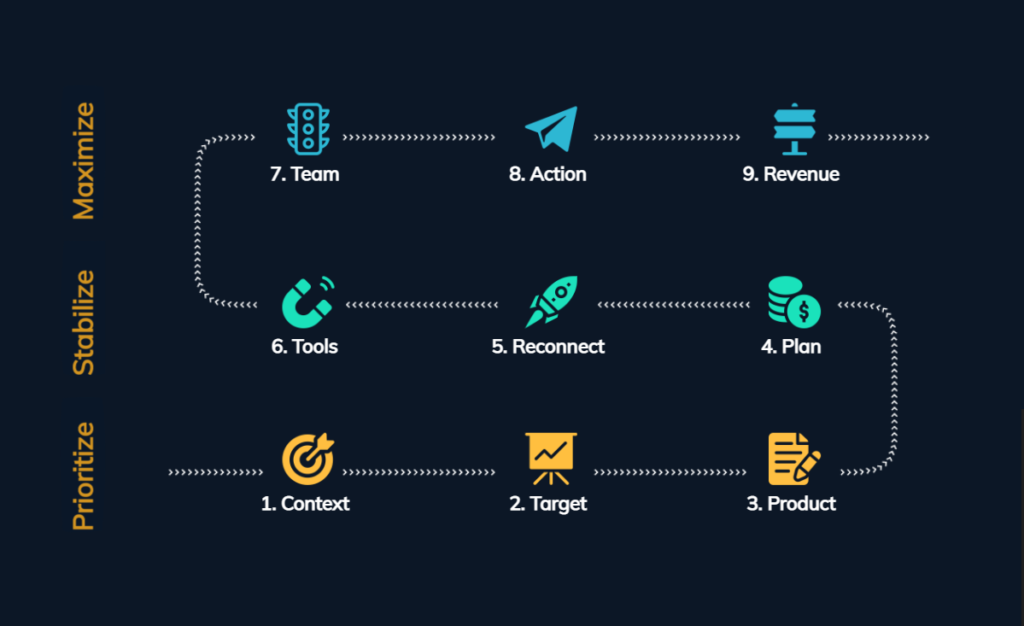
This is where senior, part-time marketing leadership earns its fee. A fractional CMO sets the direction, picks the few things worth automating, and makes sure the system serves a plan instead of replacing one. You can explore CMO consulting to see how that works in practice, or look at the 100 days fast track if you want a structured way to build a revenue system from the start.
How to Choose the Right Partner
Ask three questions before you sign anything.
First, ask what they will do in week one. If the answer is “audit your strategy and goals,” good. If it is “set up your email platform,” be careful.
Second, ask how they measure success. The right answer is revenue or pipeline, not open rates and contacts added.
Third, ask who owns the result. If the automation company points back at you and your team, you still have a leadership gap. Software does not close that gap. A person does.
FAQ
What does a marketing automation company do?
It sets up and runs the software that handles repetitive marketing tasks: email sequences, lead scoring, CRM workflows, and reporting. The good ones tie that plumbing to a strategy. The weak ones just install tools and bill you monthly.
How much does a marketing automation company cost in the UK?
Setup projects run roughly £3,000 to £15,000, with monthly retainers of £1,500 to £6,000 depending on scope. Platform licences sit on top of that.
Do I need a marketing automation company or a CMO?
If you have a clear strategy and just need the build, hire the automation company. If your spend underperforms and nobody owns the growth plan, you need leadership first. A fractional CMO gives you that without a full-time salary.
What is the difference between an agency and a marketing automation company?
An agency usually runs campaigns. An automation company builds the systems behind them. Many firms claim both, so check what they actually deliver before signing.
How long before marketing automation pays off?
Basic email and lead-nurture flows can show results in 30 to 60 days. A full revenue system takes closer to three to six months to settle and prove its return.
Start With the Strategy, Not the Software
If your marketing spend is not returning what it should, more automation will not save it. Senior direction will. Get the plan right, then let the systems carry it at scale.
Want a straight answer on whether you need tooling, execution, or leadership? Book a call and we will tell you which one your business actually needs.